https://www.straitstimes.com/singapore/burger-lobster-fined-3000-for-food-safety-lapses
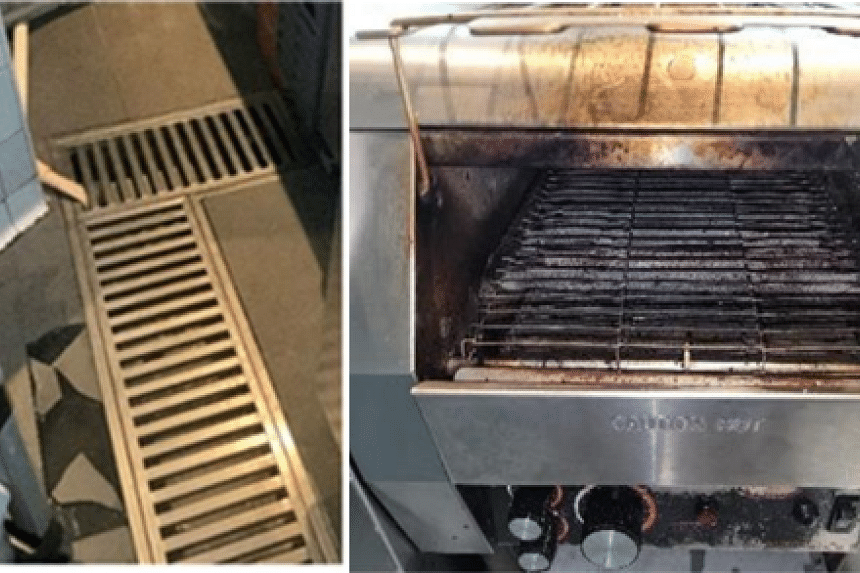
The SFA and the Ministry of Health found multiple lapses at Burger & Lobster, such as using a dirty oven toaster.
SINGAPORE - Burger & Lobster Singapore was fined $3,000 by the courts on April 11 for food safety lapses, the Singapore Food Agency (SFA) said in a statement.
In May 2022, SFA received reports of gastroenteritis involving 132 people who ate at the Burger & Lobster outlet in Jewel Changi Airport between May 7 and 15 in 2022.
Five of them were hospitalised.
The SFA and the Ministry of Health found multiple lapses. These included poor housekeeping, cracked kitchen floor tiles, using a dirty oven toaster and failure to employ a food hygiene officer for the premises.
In the interest of public health, SFA suspended their food business operations from May 16 to July 5 in 2022, and it directed Burger & Lobster Singapore to take necessary measures to improve food safety practices and the cleanliness of its premises.
In its statement on April 11, the agency reminded all food operators to ensure their premises are clean and well-maintained, and that staff are adequately trained on food safety management.
Those found to have violated the Environmental Public Health (Food Hygiene) Regulations may be fined up to $2,000. In the case of a continuing offence, they can be further fined up to $100 for every day or part thereof during which the offence continues after conviction.
Catch up on the news that everyone’s talking about
[Sign up](javascript:;)
By signing up, I accept SPH Media's Terms & Conditions and Privacy Policy as amended from time to time.
Yes, I would also like to receive SPH Media Group's marketing and promotions.
In a separate incident, GH Enterprise and its director were fined $7,000 and $5,000 respectively on April 11 for illegally importing fresh vegetables from Malaysia.
In April 2023, SFA officers detected about 1.5 tonnes of undeclared and under-declared fresh vegetables, including spring onion and spinach, in the consignments imported from Malaysia by the importer.
All illegal consignments were seized.
In Singapore, fruits and vegetables can be imported only by licensed importers, and every consignment must be declared and accompanied by a valid import permit, SFA added.
It added that illegally imported vegetables are of unknown sources and can pose a food safety risk if, for example, high levels of pesticides are used. “The long-term ingestion of excessive pesticide residues through the consumption of vegetables that have been subjected to pesticide abuse could lead to adverse health effects,” said SFA.